Memphis is not a dry city. Summers bring persistent humidity that makes outdoor temperatures feel significantly worse than they are, and that same moisture does not stay outside. It works its way into your home through doors, windows, and the small gaps in your building envelope — and once it is inside, your HVAC system has to deal with it.
Most homeowners think about indoor air quality in terms of odors or visible dust. But the biggest driver of air quality problems in Memphis homes is moisture. When humidity stays elevated indoors, it sets off a chain of problems that affect both health and comfort.
What High Indoor Humidity Actually Does
The EPA recommends keeping indoor relative humidity between 30 and 50 percent. In Memphis during summer months, outdoor humidity frequently exceeds 70 percent. Without active humidity control, indoor levels can climb well past the recommended threshold.
At humidity levels above 60 percent, conditions become favorable for mold and mildew growth — particularly in areas with limited airflow, such as ductwork, crawl spaces, and wall cavities. Dust mites, which are a leading allergen trigger, reproduce rapidly in humid environments. Both of these are significant contributors to worsening allergy and asthma symptoms.
High humidity also makes the air feel heavier and warmer than it actually is. This is why a Memphis home set to 75°F in August can feel uncomfortable even when the thermostat reads correctly — the moisture in the air is preventing the body from cooling itself efficiently.
How Your HVAC System Affects Indoor Air Quality
Your air conditioner removes some humidity as a byproduct of the cooling process. As warm, humid air passes over the cold evaporator coil, moisture condenses and drains away. But standard AC systems are designed to control temperature, not to function as full dehumidification systems.
During mild days when outdoor temperatures are not far from the indoor setpoint, the AC may run for short cycles that are not long enough to remove meaningful amounts of moisture. The result is a home that is at the right temperature but still feels damp and heavy.
Ductwork compounds the problem. In older Memphis homes, ducts often run through unconditioned spaces like attics and crawl spaces. In summer, the exterior surface of uninsulated or poorly insulated ducts can collect condensation, which creates a mold-friendly environment inside the air distribution system itself. When the system runs, spores and other contaminants circulate through every room.
Common Indoor Air Quality Problems Memphis Homeowners Face
Mold and Mildew Growth
Mold does not require a visible water leak to establish itself. Persistent high humidity is sufficient for mold to grow on ductwork surfaces, inside air handlers, and in wall cavities adjacent to improperly sealed areas. If you notice a musty smell when the system turns on, that odor is often organic growth inside the ducts or on the evaporator coil.
Dust Mites and Allergens
Dust mites thrive in warm, humid environments and feed on organic matter found in household dust. Their waste particles are a leading trigger for allergic reactions and asthma. Pollen entering from outdoors — a significant concern in the Mid-South, particularly in spring — adds to the allergen load that your filtration system needs to handle.
Volatile Organic Compounds
VOCs are gases released by paints, cleaning products, furniture, flooring adhesives, and many household products. In tightly sealed, poorly ventilated homes, VOC concentrations can build up significantly. The EPA consistently finds that indoor air contains higher concentrations of many pollutants than outdoor air, even in areas with notable outdoor air quality concerns.
Practical Solutions for Memphis Homeowners
Upgrade Your Filtration
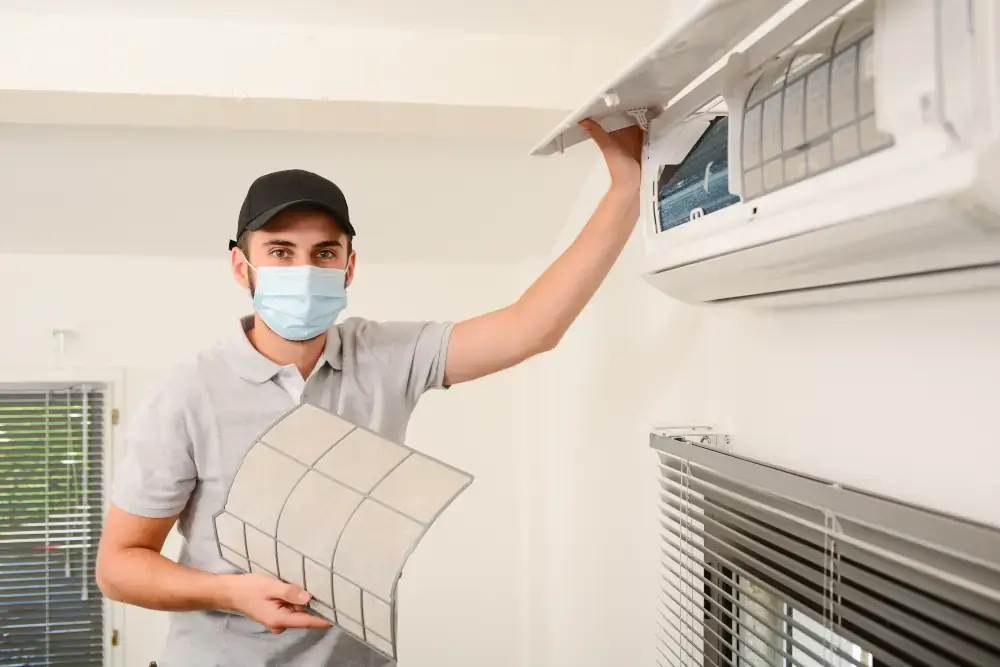
Standard one-inch filters capture large particles but allow finer particulate matter, mold spores, and many allergens to pass through. Switching to a filter with a higher MERV rating — typically between MERV 8 and MERV 13 for residential systems — dramatically improves particle capture without significantly restricting airflow in most systems.
Filters in a Memphis home that runs cooling for six or more months a year should be checked monthly and replaced as soon as they show visible loading. A clogged filter hurts both air quality and system efficiency.
Install a Whole-Home Dehumidifier
A whole-home dehumidifier works alongside your HVAC system to actively remove moisture from the air throughout the entire house — not just in one room. Unlike portable units, whole-home systems integrate with your existing ductwork and can be set to maintain a target humidity level automatically.
For Memphis homeowners who struggle with summer humidity, this is often the single most impactful improvement for comfort and air quality. Maintaining indoor humidity below 50 percent actively suppresses mold growth and dust mite reproduction.
Add UV Germicidal Lights
UV germicidal lights are installed inside the HVAC system, typically near the evaporator coil. They use ultraviolet light to neutralize bacteria, mold spores, and viruses that pass through the system. This does not replace filtration — particles still need to be captured mechanically — but UV lights prevent biological contaminants from growing on the coil itself and being redistributed throughout the home.
Consider an Energy Recovery Ventilator
Tightly sealed homes — increasingly common in newer construction — can accumulate indoor pollutants simply because there is not enough fresh air exchange. An energy recovery ventilator (ERV) brings in fresh outdoor air while transferring heat and humidity between the incoming and outgoing air streams. The result is improved ventilation without the energy penalty of simply opening a window.
What You Should Not Ignore
If you or a family member has persistent allergy symptoms that improve when you leave the home, the indoor air is worth investigating. A musty smell that appears when the system runs, visible condensation on interior surfaces, or a noticeable drop in air quality after heavy rain are all indicators that the HVAC system may be circulating contaminated air.
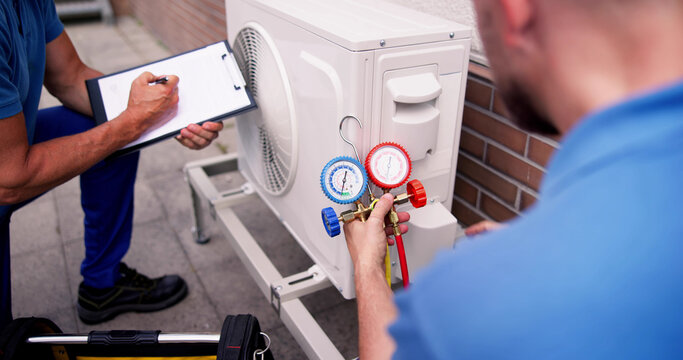
These problems are diagnosable. A qualified HVAC technician can inspect the evaporator coil, ductwork, and drain system to identify mold growth, blockages, or airflow issues that are affecting your air quality. Addressing the source of the problem — rather than masking symptoms with air fresheners or portable purifiers — is the only approach that produces lasting results.
Memphis Air Quality Is a Year-Round Concern
The focus on humidity is most acute in summer, but indoor air quality in Memphis homes is a year-round issue. Winter heating dries indoor air, which can cause respiratory irritation, increase static buildup, and damage wood floors and furniture. Balanced humidity — neither too high nor too low — requires attention across all four seasons.
Investing in the right combination of filtration, humidity control, and fresh air ventilation is not a luxury. In a climate like Memphis, it is what makes a home genuinely comfortable and healthy to live in.
SECTION 3 — SUGGESTED INTERNAL LINKS
- Indoor Air Quality & Emergency Repair page — https://yatesservicesmemphis.com/indoor-air-quality-emergency-repair/
- Heating & Cooling Systems page — https://yatesservicesmemphis.com/heating-cooling-systems/
- Contact Us page — https://yatesservicesmemphis.com/contact-us/
SECTION 4 — FAQ SECTION
What is a healthy indoor humidity level for a Memphis home?
The EPA recommends indoor relative humidity between 30 and 50 percent. In Memphis during summer months, active dehumidification is often necessary to keep levels in this range, since outdoor humidity regularly exceeds 70 percent.
How can I tell if my HVAC system has mold in the ductwork?
Common indicators include a musty odor when the system turns on, visible dark spots around vent registers, and worsening allergy or asthma symptoms when the system is running. A professional HVAC inspection can confirm whether mold is present in the air handler or ductwork.
Do air purifiers actually work for Memphis allergens?
Whole-home air purification systems integrated with your HVAC can meaningfully reduce allergen levels throughout the house. Look for systems that combine high-efficiency filtration with UV germicidal capability. Portable room units are less effective because they only treat a fraction of the home’s air volume.
How often should HVAC filters be replaced in a Memphis home?
In Memphis, where cooling systems run heavily from April through October, monthly filter checks are practical. Replace the filter whenever it shows visible loading — in many homes, that means every 45 to 60 days during the peak cooling season.
Can a whole-home dehumidifier help with my energy bills?
Yes. When indoor humidity is properly controlled, the air feels more comfortable at a higher temperature. Many homeowners find they can raise the thermostat setpoint by a degree or two without feeling warmer, which reduces the overall run time of the AC and lowers energy costs.