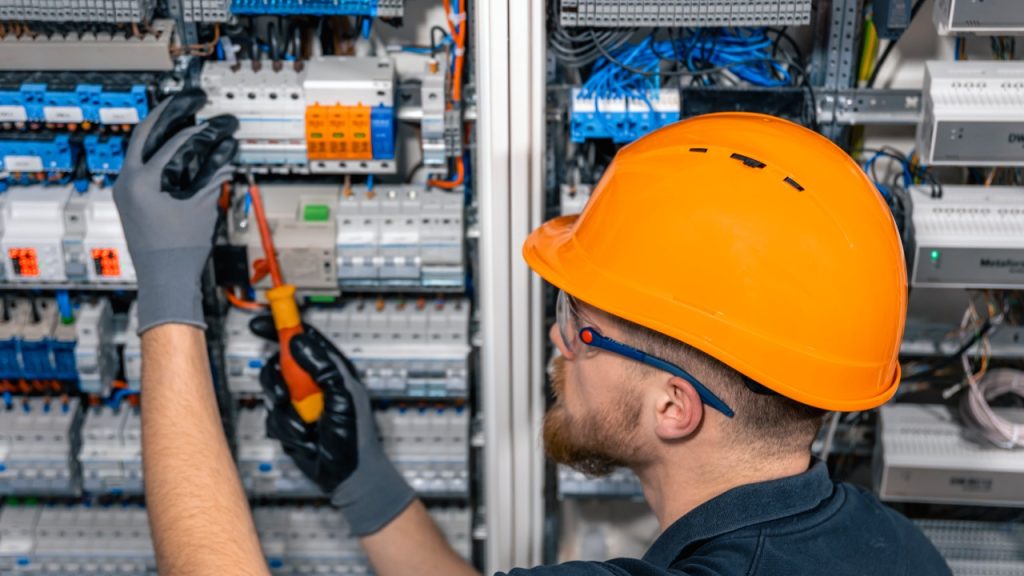
Most homeowners do not think about their electrical panel until something goes wrong. The panel sits quietly in a utility room or closet, routing power to every outlet, light, and appliance in the house. When it starts to fail, the warning signs are easy to dismiss as minor annoyances.
In Memphis and throughout Shelby County, a significant portion of the housing stock was built decades ago. Many of those homes are still running on panels rated at 100 amps or less — panels designed for a time when households had far fewer electrical demands than they do today. Recognizing the warning signs early can prevent costly damage and, more importantly, eliminate a serious safety risk.
Why Electrical Panels Fail or Become Inadequate
Electrical panels do not wear out the way a furnace does. They do not have moving parts, and they do not make noise when they degrade. What they do is become overwhelmed. Modern homes run dishwashers, EV chargers, home offices, large televisions, and high-efficiency HVAC systems — loads that older panels were never designed to manage.
When a panel is regularly asked to handle more current than it is rated for, components degrade faster, breakers become unreliable, and heat builds up inside the enclosure. That combination creates genuine fire risk over time.
The 5 Signs That Point to a Panel Problem
1. Breakers That Trip Repeatedly
A circuit breaker is designed to trip — to cut power to a circuit — when that circuit is overloaded. It is a safety mechanism, not a flaw. But if you find yourself walking to the panel every few weeks to reset the same breaker, the circuit is telling you something.
Repeated tripping usually means one of two things: the circuit is overloaded for its rating, or the breaker itself is worn and tripping at lower loads than it should. Either way, the problem will not resolve itself. A licensed electrician can evaluate whether the issue is a failing breaker, an overloaded circuit that needs to be split, or an undersized panel that cannot support the home’s current electrical load.
2. Flickering or Dimming Lights
Lights that flicker when you run the microwave or dim when the air conditioner kicks on are not just irritating — they are a signal. This behavior typically indicates that high-draw appliances are pulling more power than the circuit can reliably deliver, causing voltage to drop momentarily across other circuits.
In older Memphis homes where the panel is shared between numerous appliances on limited circuits, this problem is common. If it is happening regularly, a panel inspection is the right next step.
3. A Burning Smell or Warm Panel
This one should never be ignored. If you smell burning plastic near your electrical panel, or if the panel face feels warm to the touch, treat it as an emergency. Heat generated inside a panel enclosure indicates that wiring connections may be arcing or that a breaker is handling more current than it can manage safely.
Electrical fires often start inside walls, behind panels, and inside junction boxes — places where smoke and flame are not immediately visible. If you notice a burning smell near your panel, do not wait. Call a licensed electrician immediately.
4. Your Panel Uses Fuses Instead of Breakers
Older homes in Memphis — particularly those built before the 1960s — may still have fuse boxes instead of modern circuit breaker panels. Fuse-based systems are not necessarily unsafe by design, but they present practical problems that create real risk.
When a fuse blows, it needs to be replaced. Homeowners sometimes install a fuse with a higher amperage rating than the circuit was designed for, which defeats the entire purpose of the protection. A modern breaker panel eliminates that risk and brings the home’s electrical system in line with current safety standards.
5. You Are Adding Major Appliances or New Circuits
If you are planning to add a level 2 EV charger, a whole-home generator transfer switch, a new HVAC system, a workshop, or a home addition, your existing panel may not have the capacity to support the additional load. Many older panels at 100 amps simply do not have spare circuit slots or the amperage headroom for new high-draw equipment.
Upgrading to a 200-amp panel before adding new equipment is far less disruptive and expensive than attempting to work around an undersized panel after the fact.
What an Electrical Panel Upgrade Involves
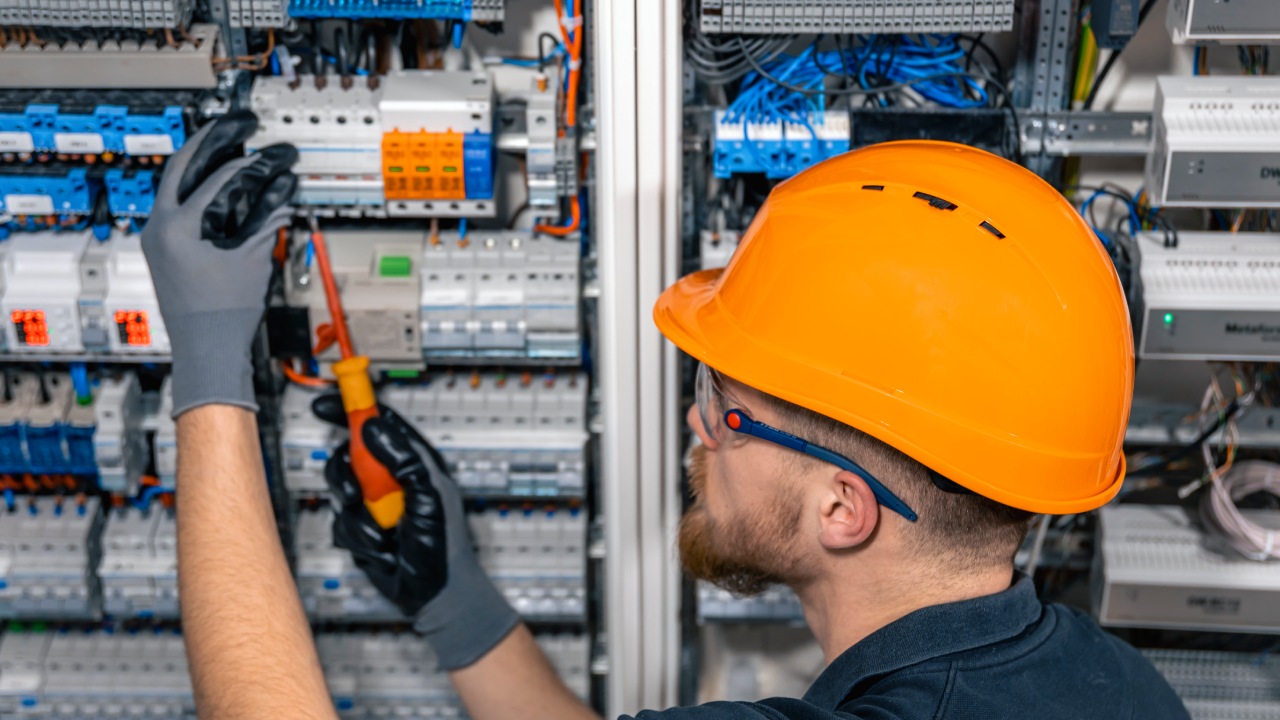
A panel upgrade is not a weekend DIY project. In Tennessee, electrical panel work must be permitted and inspected, and the work must be performed by a licensed electrician. The process involves disconnecting service at the meter, removing the existing panel and hardware, installing a properly rated new panel, reconnecting all branch circuits, and coordinating with Memphis Light Gas & Water for the service connection.
The job typically takes the better part of a day. A reliable contractor will pull the required permits, schedule the utility coordination, and have the work inspected before it is considered complete.
How Much Does a Panel Upgrade Cost in Memphis?
The cost of an electrical panel upgrade in Memphis varies depending on the existing setup, the amperage of the new panel, and any additional wiring work required. A straightforward upgrade from a 100-amp to a 200-amp panel in a home with accessible wiring typically falls in the range of $1,500 to $3,000, including parts and labor. Homes with complicated wiring, old aluminum branch circuits, or subpanels will see higher costs.
Getting a written estimate before work begins is standard practice for reputable electrical contractors. The number on the estimate should be the number you pay.
When a Panel Upgrade Pairs With HVAC Work
In Shelby County, many homeowners discover the need for a panel upgrade at the same time they are replacing or upgrading their heating and cooling system. A new HVAC unit may require a dedicated circuit that the existing panel cannot accommodate, or the installation technician may flag panel concerns during the service visit.
Having both trades — HVAC and electrical — available from the same company simplifies scheduling, reduces the number of contractors in your home, and makes it easier to coordinate the work. Yates Services of Memphis handles both heating and cooling systems and electrical work, so homeowners do not need to manage multiple vendors for interconnected projects.
What Happens if You Ignore the Warning Signs
Electrical panels do not fail gracefully. An overloaded or deteriorating panel can cause breakers to stop protecting circuits the way they should, which exposes wiring to sustained overcurrent. Over time, that generates heat inside wall cavities, which is the most common cause of electrical fires.
The warning signs listed here exist because the panel is doing what it is supposed to do — signal that something is wrong. Addressing those signals early is always less expensive and less dangerous than waiting for a failure.
SECTION 3 — SUGGESTED INTERNAL LINKS
- Electrical Services page — https://yatesservicesmemphis.com/electrical-services/
- Heating & Cooling Systems page — https://yatesservicesmemphis.com/heating-cooling-systems/
- Contact Us page — https://yatesservicesmemphis.com/contact-us/
SECTION 4 — FAQ SECTION
How do I know if my electrical panel needs to be upgraded?
The most common signs include circuit breakers that trip repeatedly, lights that flicker or dim when appliances run, a burning smell near the panel, a panel that uses fuses instead of breakers, and insufficient capacity to support new appliances or HVAC equipment.
How much does an electrical panel upgrade cost in Memphis?
Most panel upgrades in the Memphis area range from $1,500 to $3,500 depending on the scope of work, panel amperage, and any additional wiring needed. A licensed electrician should provide a written estimate before any work begins.
Is a permit required for a panel upgrade in Memphis?
Yes. Electrical panel work in Tennessee must be permitted and inspected by a licensed electrician. A reputable contractor will pull the required permits and coordinate the inspection as part of the project.
Can I upgrade from 100 amps to 200 amps with my existing wiring?
In many cases, yes — but a licensed electrician needs to inspect your existing branch circuit wiring to confirm it is compatible with the upgrade. Homes with older aluminum wiring or deteriorated insulation may require additional work alongside the panel replacement.
What is the difference between a breaker panel and a fuse box?
A fuse box uses replaceable fuses that physically burn out when a circuit is overloaded. A breaker panel uses resettable circuit breakers that trip and can be reset. Breaker panels are the modern standard, offer more reliable protection, and eliminate the risk of a homeowner installing the wrong fuse rating.