Memphis summers do not ease up. When the temperature climbs past 95°F and the humidity makes it feel ten degrees hotter, your air conditioner is not just a comfort — it is a necessity. So when it stops cooling, the problem needs attention right away.
Before you assume you need an expensive replacement, it helps to understand what actually causes an AC to lose its cooling ability. Most breakdowns come down to a handful of specific issues, and a licensed technician can diagnose the root cause quickly.
The Most Common Reasons an AC Stops Cooling
If your system is running but the air coming out of your vents feels warm or lukewarm, one of these issues is usually behind it.
1. Low or Leaking Refrigerant
Refrigerant is the substance your AC uses to absorb heat from your indoor air and release it outside. When the level drops — usually because of a leak somewhere in the system — your unit cannot transfer heat effectively.
You might notice warm airflow, ice building up on the refrigerant lines, or a hissing or bubbling sound near the outdoor unit. Low refrigerant is not something you can top off yourself. A licensed HVAC technician needs to locate the leak, repair it, and recharge the system to the correct level.
2. Frozen Evaporator Coils
The evaporator coil sits inside your air handler and absorbs heat from indoor air. If airflow across the coil drops — usually from a clogged filter or blocked return vent — the coil temperature falls below freezing. Ice forms, airflow becomes restricted, and cooling stops.
A frozen coil in July is a common call for HVAC companies across Memphis and Shelby County. If you see ice on the indoor unit or the refrigerant line, turn the system off and let it thaw before calling for service. Running the system while it is frozen can damage the compressor.
3. A Clogged or Dirty Air Filter
This is the most preventable cause of cooling failure. A filter that has not been changed in months restricts the airflow your system needs to operate correctly. In Memphis, where systems run for months at a time, filters can clog faster than homeowners expect.
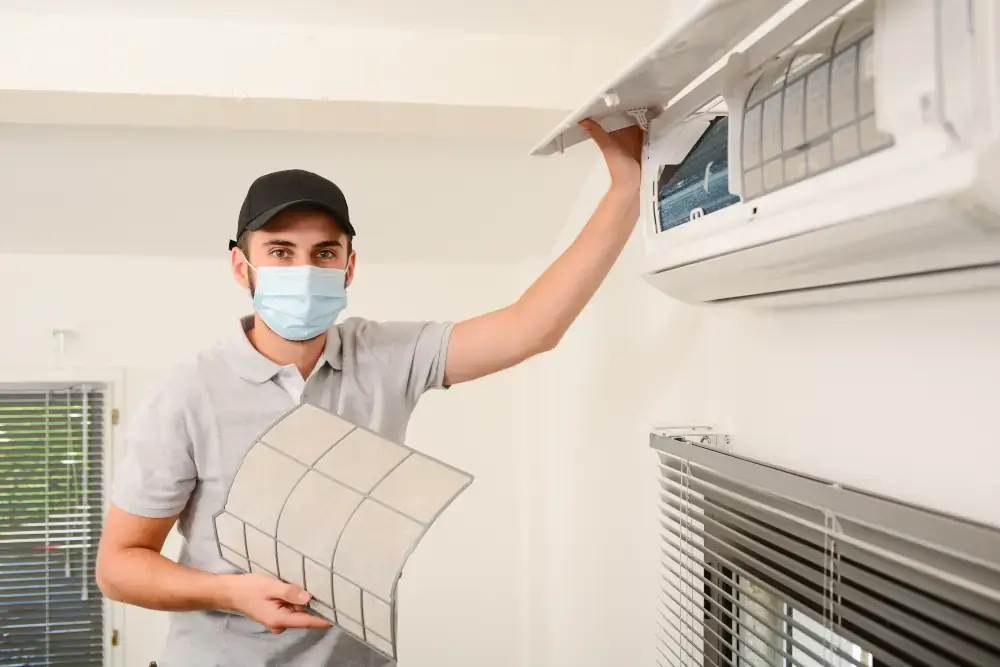
Check your filter first. If it is gray and blocked with debris, replace it before calling anyone. It takes two minutes and costs a few dollars. A clean filter improves airflow, protects the coil, and can restore cooling on its own.
4. Thermostat Problems
Sometimes the problem is not mechanical at all. A thermostat set to “fan only” instead of “cool,” a dead battery, or a thermostat exposed to direct sunlight can all cause your AC to run without actually cooling.
Check that your thermostat is set to “cool” and the temperature is below the current room temperature. If it is a programmable or smart thermostat, verify the schedule settings have not changed.
5. Compressor or Capacitor Failure
The compressor is the heart of your cooling system. It pressurizes the refrigerant and drives the cooling cycle. Capacitors are components that help start and run the compressor and fan motors.
When a capacitor fails, the system may try to start, fail, and shut off repeatedly. You might hear a clicking or humming sound from the outdoor unit. A failed compressor is a more serious repair and sometimes signals that a system replacement makes more financial sense than repair — especially on older equipment.
When Memphis Heat Makes Things Worse
The climate here creates conditions that stress HVAC systems harder than in milder regions. High humidity means the system works longer to remove moisture from indoor air. Extended cooling seasons mean systems run for six months or more with very little rest.
Homes in Midtown Memphis and older neighborhoods around Shelby County often have original ductwork that has developed leaks over time. Cool air escaping through gaps in the duct system means the living space never reaches the set temperature, even though the AC is running correctly.
If your system is running constantly but the house feels warm, have a technician inspect the ductwork as part of the diagnosis. This step is easy to overlook but makes a significant difference in overall cooling performance.
What You Can Check Before Calling a Technician
Not every cooling problem requires a service call. Before picking up the phone, run through these quick checks.
- Confirm the thermostat is set to cool, not fan only.
- Check the air filter and replace it if it is visibly clogged.
- Make sure all supply and return vents in the home are open and unblocked.
- Walk to the outdoor unit and confirm it is running. If it is not, check whether the breaker has tripped.
- Check the condensate drain line near the indoor unit. A clogged drain can trigger a safety float switch that shuts the system down.
If none of these steps resolve the issue, it is time to call a licensed HVAC technician. Attempting to handle refrigerant, electrical components, or coil issues without training and proper tools can make the problem worse and damage equipment that might otherwise be repairable.
How a Licensed Technician Diagnoses the Problem
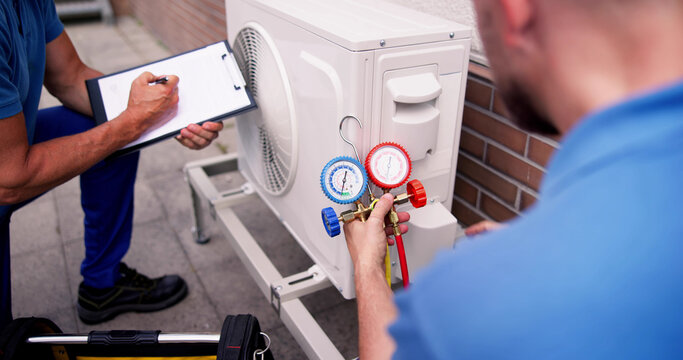
A qualified technician does not guess. The diagnostic process starts with a full system inspection — checking refrigerant pressure, measuring airflow, testing electrical components, and reviewing the thermostat and control board.
You should know the diagnosis and the repair cost before any work begins. That is standard practice for any reputable HVAC company. If a technician recommends a repair without explaining the root cause, ask for clarification before approving anything.
When It Makes Sense to Replace Instead of Repair
If your system is over fifteen years old, has needed repairs multiple times in the past few seasons, or requires a compressor replacement, the math sometimes favors installation of a new system over continued repairs.
Newer systems use significantly less energy than equipment from ten or fifteen years ago. A high-efficiency unit can reduce monthly energy costs in Memphis substantially, especially during the long cooling season. A reputable contractor will present both options with honest numbers so you can make an informed decision.
Keep Your System Ready Before the Heat Arrives
Scheduling a tune-up in the spring — before the heavy cooling season begins — is the most reliable way to avoid a summer breakdown. A technician can catch low refrigerant, worn capacitors, dirty coils, and other developing problems before they fail completely.
When your AC stops cooling in a Memphis summer, the cause is almost always diagnosable and fixable. The key is acting quickly, starting with the basics you can check yourself, and calling a licensed technician when the issue needs professional attention.
SECTION 3 — SUGGESTED INTERNAL LINKS
- Heating & Cooling Systems page — https://yatesservicesmemphis.com/heating-cooling-systems/
- Indoor Air Quality & Emergency Repair page — https://yatesservicesmemphis.com/indoor-air-quality-emergency-repair/
- Contact Us page — https://yatesservicesmemphis.com/contact-us/
SECTION 4 — FAQ SECTION
Why is my AC running but not cooling my Memphis home?
The most common causes are low refrigerant from a leak, a frozen evaporator coil, a clogged air filter, or a thermostat issue. A licensed HVAC technician can run a full system diagnostic to pinpoint the exact cause and recommend the right repair.
How do I know if my AC has a refrigerant leak?
Common signs include warm or lukewarm airflow from the vents, ice buildup on the refrigerant line or indoor unit, a hissing or bubbling sound near the outdoor unit, and longer-than-normal run times. Refrigerant leaks require a licensed technician to locate, repair, and recharge.
Can I fix a frozen evaporator coil myself?
You can start the thaw by turning the system off and running the fan only. However, you should not restart the AC until the ice has fully melted. The underlying cause — usually restricted airflow — needs to be addressed by a technician to prevent the coil from freezing again.
How often should I change my AC filter in Memphis?
In Memphis, where systems run heavily for six or more months per year, checking the filter every 30 days and replacing it at least every 60 days is a practical standard. Homes with pets or allergy concerns may need more frequent changes.
Does Yates Services of Memphis offer emergency AC repair?
Yes. Yates Services of Memphis provides 24/7 emergency HVAC service across Shelby County. If your cooling system fails during extreme summer heat, call (901) 277-7877 for immediate assistance.